Katja Washington · 2 October 2026
British Heritage Weavers Adopt Bacterial Pigments to Preserve Traditional Fabric Techniques
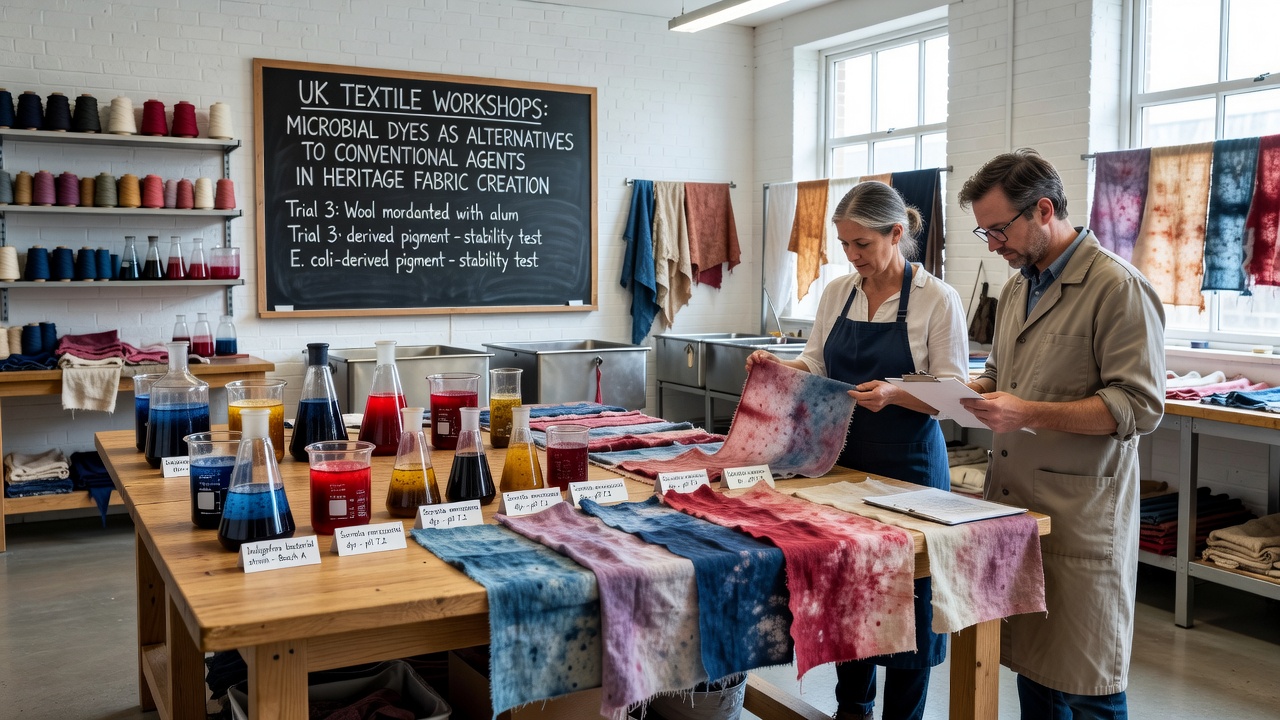
UK textile workshops have begun integrating microbial dyes derived from bacteria and fungi into their processes for creating and restoring heritage fabrics, and this development builds on research into sustainable colorants that reduce reliance on synthetic chemicals. Studies from institutions across Europe and North America show that these biological pigments can produce stable hues on natural fibers such as wool and linen while minimizing water pollution associated with conventional dyeing methods.
Researchers at several British centers have documented how certain strains of bacteria generate pigments like indigoid compounds and carotenoids that bond effectively with protein-based fibers, and these findings align with data from the European Environment Agency indicating lower effluent toxicity compared to many petroleum-based dyes. Workshops in regions with strong weaving traditions now test these dyes on patterns passed down through generations, focusing on colorfastness under light exposure and washing conditions typical of historical textiles.
Origins of Microbial Dye Research in Textile Contexts
Interest in microbial sources for textile coloration dates back decades, yet practical applications in heritage settings have accelerated as regulatory pressures on chemical use intensify. Data from the Australian Centre for Industrial Biotechnology reveals that engineered bacterial strains can yield consistent color batches at scale, and similar techniques now appear in UK pilot programs aimed at replicating shades found in 18th- and 19th-century British fabrics. Observers note that these programs often combine traditional mordanting practices with modern sterile fermentation tanks to produce the dyes without introducing heavy metals.
One study conducted at a Canadian university examined the durability of microbial dyes on linen samples exposed to accelerated aging, and results demonstrated retention rates comparable to plant-based alternatives when proper fixation protocols were followed. UK workshops have adapted these protocols for local heritage pieces, incorporating pH adjustments and temperature controls that align with the requirements of delicate antique weaves.
Current Workshop Applications Across the UK
Textile facilities in northern England and Scotland have started small-batch production of microbial dyes tailored to specific heritage projects, and this includes restoration work on tapestries and household linens from museum collections. Figures from industry reports highlight that workshops using these methods report reduced chemical discharge volumes, which supports compliance with tightening environmental standards set by bodies in the UK and EU.
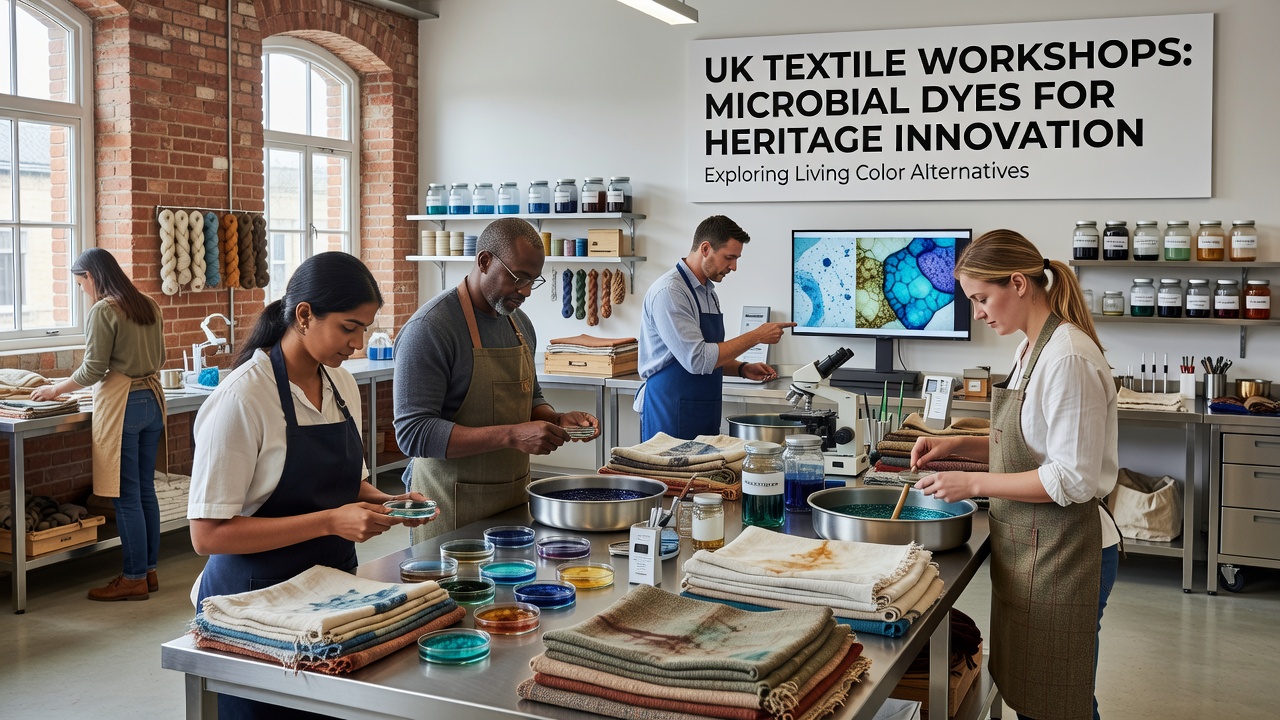
Workshops typically begin by cultivating pigment-producing microorganisms in controlled bioreactors, then extract and purify the resulting compounds before applying them to prepared fabrics. Those involved in these efforts often reference case examples where bacterial indigo replaced synthetic versions on reproduction tartan threads, maintaining the depth of color expected in traditional clan patterns. Research indicates that such substitutions preserve the tactile qualities of the wool while offering an alternative pathway that avoids certain aromatic amines present in older synthetic dyes.
Developments Scheduled for October 2026
Plans for October 2026 include a series of collaborative workshops across multiple UK sites where participants will experiment with mixed microbial cultures to expand the available color palette for heritage reproduction. According to announcements from academic partners, these sessions will draw on data from ongoing trials to refine application techniques for silk and cotton blends common in Victorian-era garments. Participants will examine how varying fermentation conditions affect hue saturation and will test the dyes against standards established by international textile conservation guidelines.
Additional events in that period will focus on scaling production methods for broader adoption, and industry organizations from the United States have expressed interest in sharing parallel findings from their own microbial dye initiatives. This cross-regional exchange builds on earlier exchanges documented in reports from the International Textile Research Association.
Challenges and Technical Considerations
Despite progress, workshops face hurdles related to batch consistency and cost when transitioning from conventional coloring agents to microbial alternatives. Evidence from multiple studies shows that some microbial pigments require additional stabilization steps to achieve the lightfastness demanded by heritage standards, and these steps can extend processing times. Yet practitioners continue refining extraction methods to address these variables without compromising the environmental advantages.
Training programs now incorporate modules on sterile handling and microbial strain selection, and data from these programs indicate improved outcomes when participants follow established biosafety protocols. Observers note that partnerships between academic labs and working weavers have helped translate laboratory results into practical workshop routines suitable for smaller operations.
Conclusion
UK textile workshops continue exploring microbial dyes as viable options for heritage fabric creation, supported by accumulating evidence from research conducted across several continents. The integration of these biological colorants into established practices reflects a measured response to environmental and regulatory factors, with ongoing work in 2026 expected to further define their role in preserving traditional textile techniques.