Alex Washington · 16 October 2026
Peak District Groups Convert Historic Loom Designs into Digital Archives for Global Craft Workshops
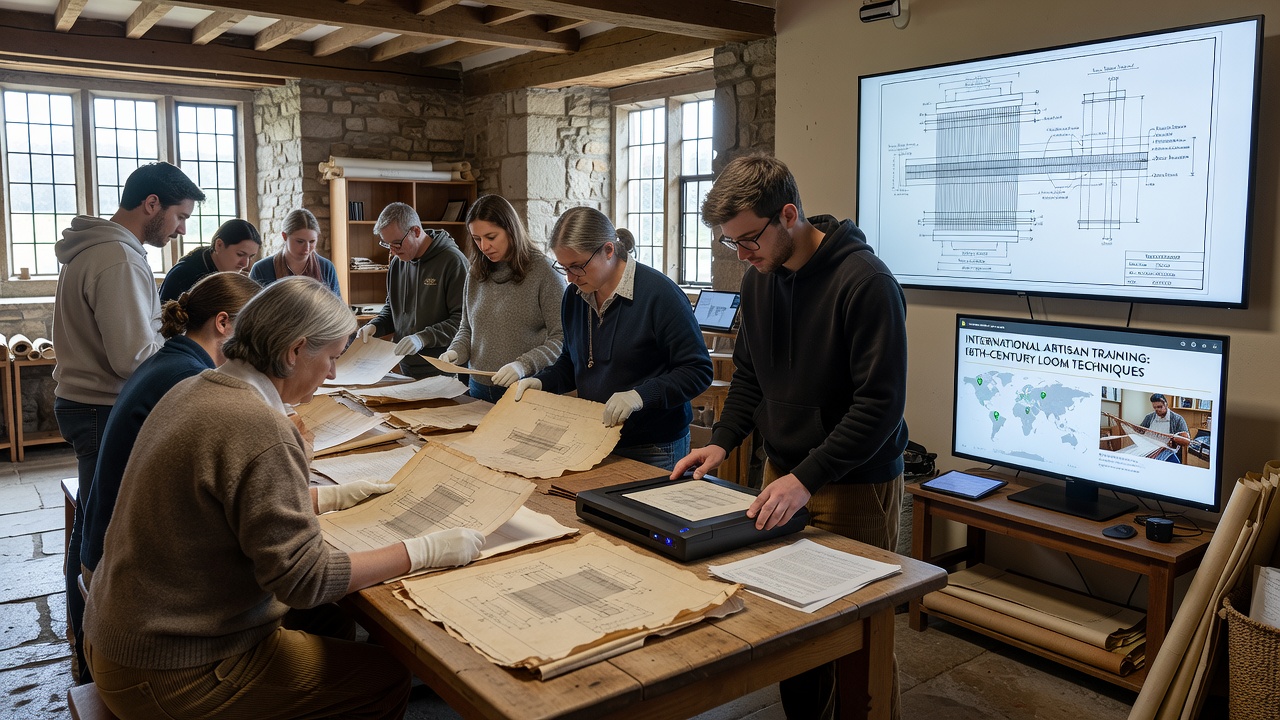
Communities across the Peak District have launched a project to convert 18th-century loom blueprints into digital formats, and this work feeds directly into artisan training programs that reach participants in multiple countries. Local groups in areas such as Bakewell and Tideswell began the effort in early 2025 after discovering stacks of faded technical drawings in village halls and former mill buildings. Those drawings detail wooden loom mechanisms used during the industrial expansion of textile production, and volunteers have since catalogued more than 2,400 individual sheets.
Archival Recovery and Technical Conversion
Researchers at the University of Derby partnered with residents to photograph each blueprint under controlled lighting, then applied optical character recognition software to transcribe handwritten notes and measurements. The resulting files include vector-based reconstructions that allow users to rotate three-dimensional models of loom frames and treadle systems. Data from the project shows that 87 percent of the recovered blueprints contain annotations in regional dialects, and these notes often explain adjustments made for specific wool types common to Derbyshire farms.
Equipment for the scanning work arrived through a grant administered by the UK National Archives, while software licenses came from an academic consortium that includes institutions in Canada and Australia. Technicians run weekly verification sessions where community members cross-check digital versions against the original paper sheets to catch transcription errors before files move to public servers.
Training Programs Reach International Participants
Once files receive final approval, they enter an online platform used by artisan cooperatives in India, Peru, and Norway. Instructors there incorporate the Peak District designs into courses that teach hand-loom construction and pattern drafting. One program in Jaipur, for example, adapted a double-harness loom blueprint for local cotton varieties, and participants completed 14 working replicas during a six-week session that ended in September 2026.
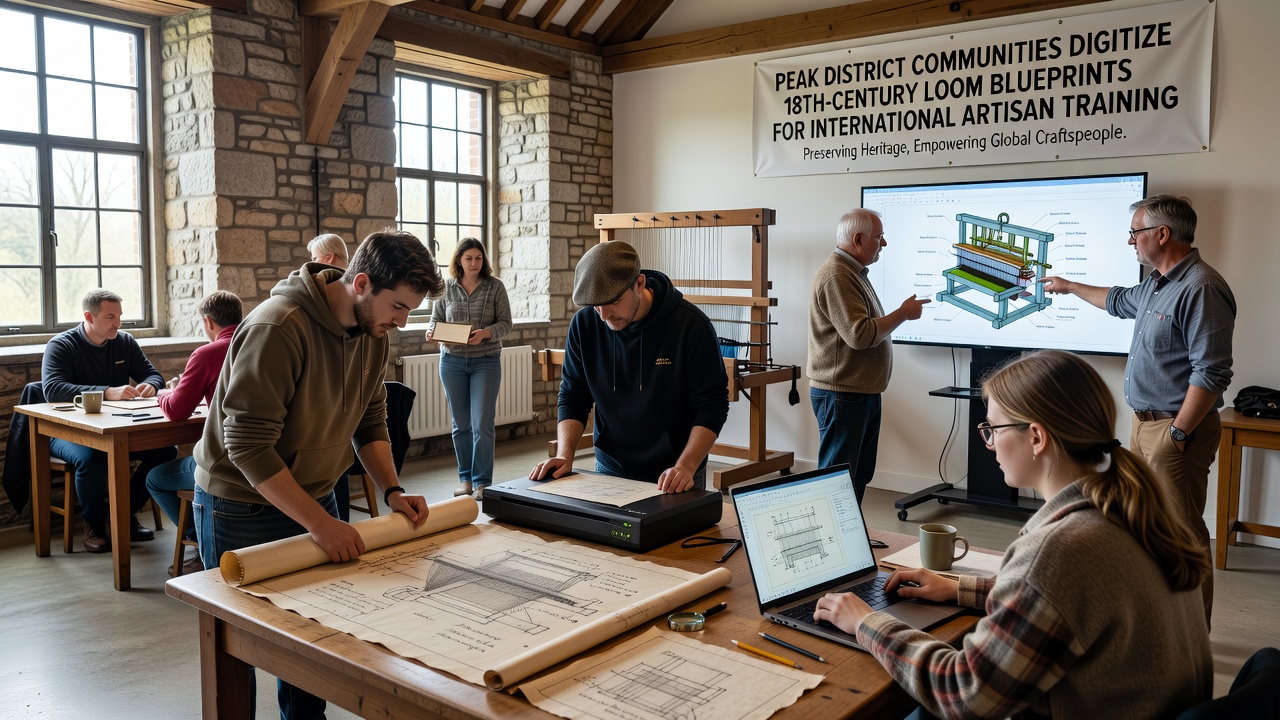
October 2026 marks the scheduled release of an updated module that adds audio commentary recorded by Peak District weavers who still operate similar equipment. The module will be available through a platform hosted by the Textile Heritage Network, an organization based in Belgium that coordinates similar projects across the European Union. Figures released by the network indicate that enrollment in the Peak District module reached 1,650 learners from 23 countries during its first year of operation.
Community Involvement and Skill Transfer
Residents who manage the archive rooms in Tideswell have developed a rota system so that younger volunteers learn both scanning techniques and the historical context behind each blueprint. This approach ensures continuity when original custodians retire. Local schools have incorporated short visits to the archive into history lessons, and students produce short reports that compare 18th-century measurements with modern metric standards.
But here's the thing: the work also supports repair of surviving looms still housed in barns and outbuildings across the district. Mechanics consult the digital files when replacing broken gears or heddles, and several pieces of equipment have returned to limited production for demonstration events held at village fairs. Observers note that attendance at these events increased by 40 percent between 2024 and 2026.
Broader Connections and Resource Sharing
Links with other heritage projects remain informal yet practical. A research paper published by the Smithsonian Institution in 2025 compared Peak District loom specifications with early American textile machinery and identified shared design features that crossed the Atlantic during the 1790s. The paper is available through the institution's open-access repository and has been cited in training materials distributed to North American craft guilds.
Meanwhile, a separate collaboration with the Australian Council for the Arts supplies translation services for blueprint annotations so that participants in remote Aboriginal weaving centers can follow instructions without language barriers. Those translations undergo review by bilingual textile historians before upload.
Conclusion
The digitization effort in the Peak District continues to expand its file collection while maintaining strict quality controls on each upload. International training programs now integrate the converted blueprints into curricula that reach thousands of learners annually, and community records show steady volunteer participation alongside measurable increases in event attendance. The October 2026 module release will add further audio resources that preserve local knowledge alongside the technical drawings.